BLUF (Bottom Line Up Front): A single-run synthetic CPU or GPU benchmark score captures peak boost clock speed for 60 seconds, hiding thermal throttling, chassis power limits (PL1/PL2), and memory bandwidth bottlenecks that can create a 25% performance gap between identically spec’d laptops.
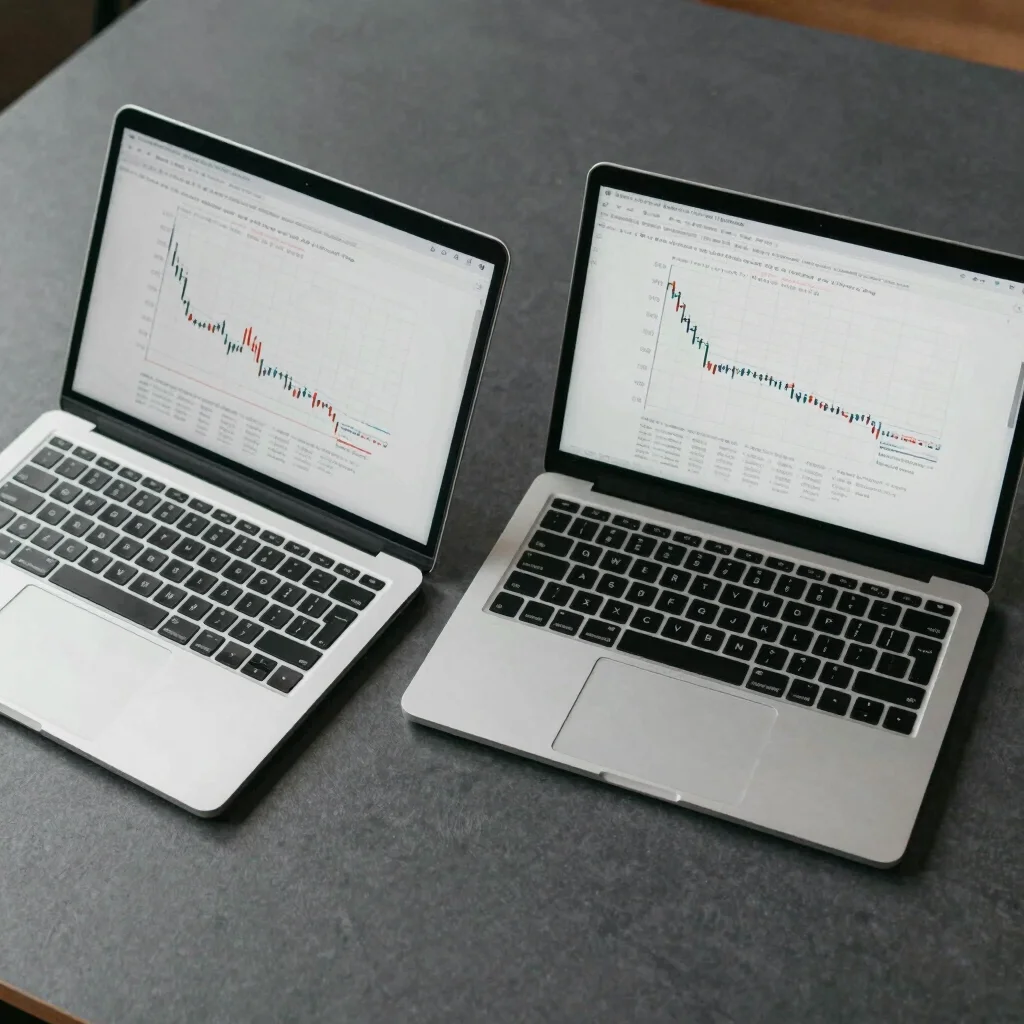
Two laptops priced at $1,499 USD can ship with the exact same processor model printed on the spec sheet—yet one finishes a 30-minute Blender 3D render or code compilation 24% faster than the other. Reading a single bar chart without checking the sustained thermal envelope tells only half the engineering story.
Short-Burst Boost (PL2) vs. Sustained Thermal Limits (PL1)
Modern mobile and desktop processors rely on opportunistic turbo boost algorithms. During a 45-second synthetic benchmark, a laptop CPU may briefly draw 65 to 80 watts (PL2) before heat Pipe saturation forces the embedded controller to clamp sustained power down to 28 watts (PL1).
Frequently Asked Questions (FAQ)
How long should a hardware benchmark run to reveal thermal throttling?
A reliable stress test or rendering loop should run for at least 10 to 20 continuous minutes so the copper heat pipes, vapor chamber, and cooling fins reach thermal equilibrium, exposing the system’s true steady-state clock speeds and fan noise floor.