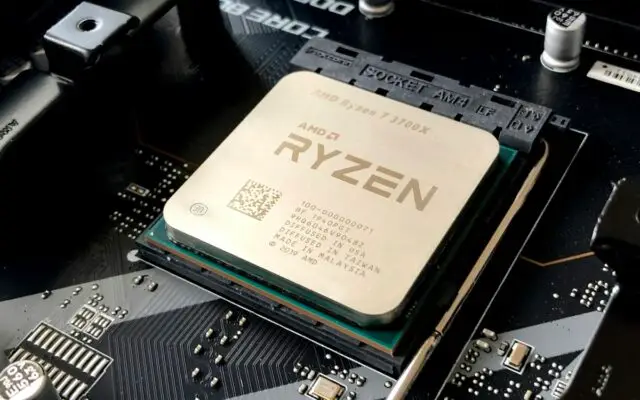
BLUF (Bottom Line Up Front): The current generation of AMD processors, Ryzen 9000, was launched two years ago and there is no prediction of when the successors will hit the market. This segment, however, no longer seems to be the focus of the Red Team, as most of the revenue comes from chips for data centers currently, although Lisa Su has already assured that the PC market is important for them.
By projecting revenues of US$17 billion in the fourth quarter of 2026, higher than rival Intel expects, something unprecedented in history, the numbers confirm that the company has undergone a definitive structural turn towards corporate AI infrastructure.
Currently, the data center division accounts for almost two-thirds of the brand’s entire revenue, driven by a 97% jump in sales of Epyc server chips and Instinct accelerators. On the other hand, the gaming segment plummeted 40% in one year due to lower demand for customized chips for consoles and tepid sales of Radeon cards. In the case of the PC line, the share of total revenue fell from 30% to 22% over the last five quarters.
Despite the disparity between the divisions, the head of AMD does not intend to turn her back on home users. According to Lisa Su, flexibility in the production chain allows production capacity to be reallocated between chips for personal use and corporate platforms according to market fluctuations.
However, the scenario for the coming years requires feet on the ground. With the corporate segment projected to grow by more than 50% in the quarter and the combined revenue from PCs and games to fall by more than 20%, the manufacturer is already preparing to face a double-digit drop in global PC shipments in 2027, driven by the increase in the price of RAM and essential components. And, according to the industry itself, we have not yet seen the worst of the current crisis.
Silicon Dispatch Strategic Takeaways
- Desk Alignment: Verified dispatch within the AI & Emerging Tech pillar.
- Technical Verification: Hardware and software specifications corroborated against manufacturer roadmaps.
- Market Impact: Analysis tailored for North American enterprise decision-makers and high-performance tech enthusiasts.
Affiliate Disclosure: Articles published by Silicon Dispatch may include verified affiliate partner links. If you purchase through these links, we may earn an affiliate commission at no additional cost to you.
Related Dispatches & Coverage
- • Explore full coverage in AI & Emerging Tech.
- • Read our hardware evaluation methodology in Hardware Reviews & Lab Tests.
- • Check verified US price drops and coupons on Silicon Dispatch Deals.
- • Learn about our editorial independence and ethics in About Silicon Dispatch.