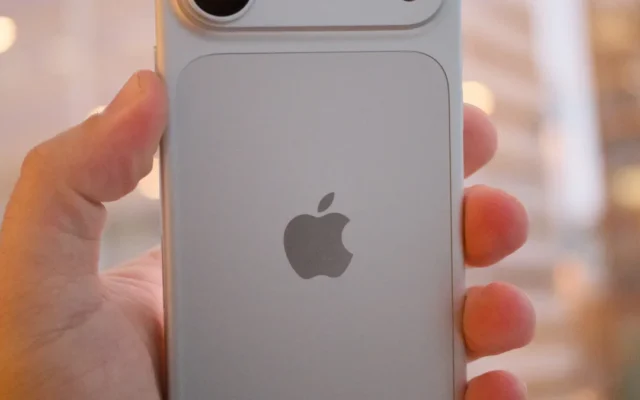
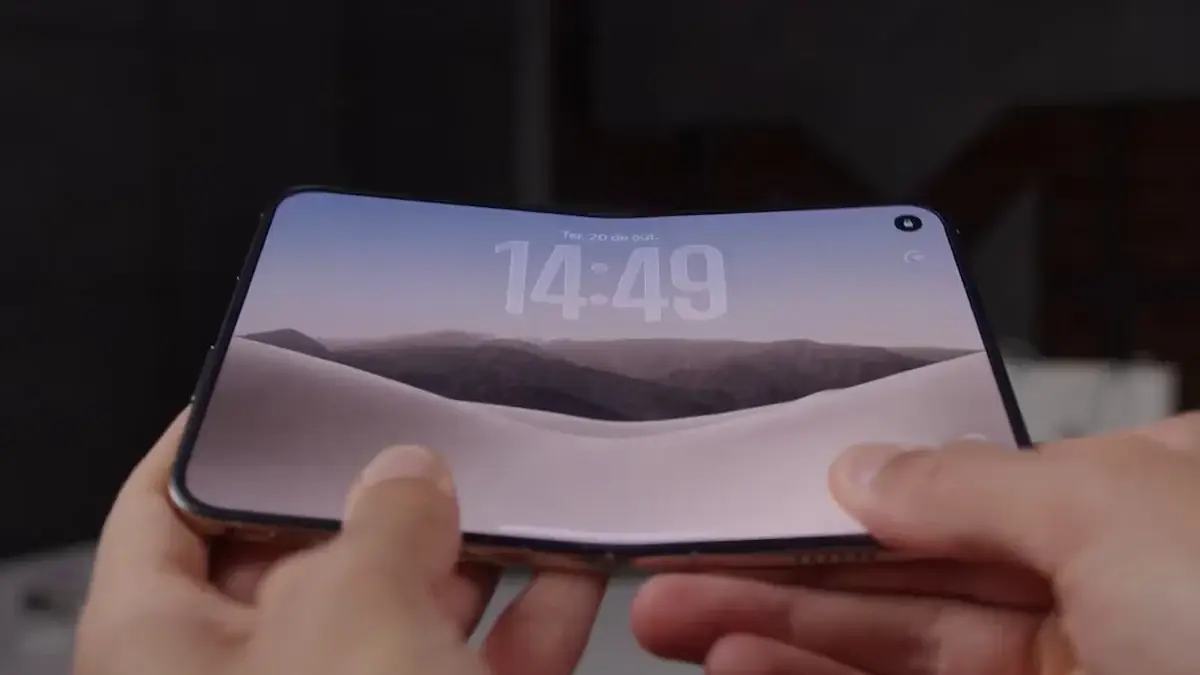
Apple’s foldable iPhone Duo hinge has surpassed 455,000 open-and-close cycles in a livestreamed CNET stress test running at 900 folds per hour. Mechanical slack appeared after 440,300 cycles, leaving the display 5 to 10 degrees shy of flat without causing internal screen cracks.
How the CNET iPhone Duo Hinge Test Works
Foldable smartphones live or die by mechanical endurance, yet Apple launched the iPhone Duo without publishing an official hinge cycle rating. Most competing foldables carry manufacturer ratings between 200,000 and 500,000 open-and-close cycles. To establish a real baseline for buyers, CNET built a livestreamed robotic rig that opens and closes an iPhone Duo unit 900 times every 1 hour.
The automated test began three weeks before Friday afternoon, November 13, 2026, when the device crossed 455,000 cycles on camera. Running 900 cycles every 1 hour equals more than 505 hours of continuous mechanical actuation just to reach that milestone. Unlike human handling, which varies in speed and pressure, a motorized rig applies repeatable stress directly to the hinge assembly and flexible display stack.
Independent stress testing matters because spec sheets rarely tell the whole ownership story. As we have noted when evaluating real-world hardware reliability beyond spec-sheet claims, mechanical tolerances show their limits only under sustained repetition. Both CNET and MacRumors highlighted that the test unit remained powered on and responsive even after crossing the 455,000-cycle mark.
Wear Timeline: From 390,000 Cycles to Mechanical Slack
For the first several hundred thousand cycles, the iPhone Duo hinge operated without documented structural degradation. The first clear mechanical shift arrived at 390,000 folds, when observers noticed the hinge mechanism growing looser during each pass. That loosening did not stop the display from working, though it signaled that internal friction tolerances were beginning to relax.
By 440,300 cycles, mechanical play in the iPhone Duo hinge became visible on the livestream. The rig could no longer pull the handset completely flat before starting the next closing stroke, leaving the panel 5 to 10 degrees short of 180 degrees. Testers confirmed that a person can still push the phone flat manually, meaning the frame is not jammed or physically locked.
At that same stage, the phone lost the crisp tactile snap that normally marks a full opening motion. Losing that detent feel is a classic sign of cam or spring wear inside a multi-link foldable hinge. Even so, the internal flexible screen showed zero cracks, dead pixels, or touch dropouts past 455,000 cycles.
Tracking Apple hardware endurance and lab benchmarks? Check our Apple MacBook Pro 14 M4 Pro lab review for our full multi-day testing methodology.
iPhone Duo Hinge Milestones vs. Foldable Industry Baselines
Raw cycle counts can feel abstract until translated into everyday smartphone ownership. At 100 folds per day, passing 450,000 open-and-close cycles represents roughly 10 years of daily use before reaching the wear level seen on CNET’s bench. Even heavy users who open a foldable 150 times daily would need more than 8 years to accumulate 450,000 cycles.
That endurance puts Apple’s first foldable near the upper half of the 200,000-to-500,000-cycle range typical for modern foldables. Display makers across the industry are already experimenting with new form factors, including Samsung’s rollable OLED hardware targets for 2027, where panel fatigue remains a primary engineering hurdle. Meanwhile, conventional slab flagships like the Samsung Galaxy S25 Ultra avoid moving hinge assemblies altogether.
The table below compares each observed milestone in CNET’s test against the foldable category baseline reported alongside the experiment. All figures reflect verified test observations and category ranges without unconfirmed retail specs.
| Test Milestone / Metric | Observed Result | Operational & Ownership Impact |
|---|---|---|
| Rig Cycle Speed | 900 folds per 1 hour (over 3 weeks) | Exceeds 505 hours of continuous mechanical cycling by November 13, 2026 |
| Industry Foldable Baseline | 200,000 to 500,000 rated cycles | Apple did not publish an official cycle rating for the iPhone Duo |
| 390,000 Folds | Noticeable hinge loosening | First major mechanical wear signal; display remains fully functional |
| 440,300 Folds | 5 to 10 degrees short of flat; snap lost | Automatic opening stalls slightly; manual press still flattens display |
| 455,000+ Folds | Device operational; zero screen cracks | Surpasses 450,000 folds (roughly 10 years at 100 folds per day) |
Failure Criteria and What Testers Are Watching Next
CNET is keeping the robotic rig running past 455,000 cycles until the iPhone Duo suffers an unmistakable functional failure. Testers defined three specific failure triggers for the remainder of the run: complete loss of power, display-position sensors failing to register screen state, or total screen blackout. Until one of those conditions occurs, the device has not formally failed the endurance trial.
Distinguishing mechanical slack from functional failure is essential for US buyers evaluating long-term ownership. A hinge that stops 5 to 10 degrees shy of flat after 10 years of simulated folding is an ergonomic annoyance rather than a dead phone. By contrast, a cracked ultra-thin glass layer or severed display flex cable turns a foldable into an expensive repair bill.
Shoppers should still remember what a clean bench test does not simulate. Laboratory rigs run in controlled indoor air without pocket lint, beach sand, drops, or extreme winter cold that can accelerate hinge wear. Keep those environmental factors in mind when weighing AppleCare coverage or multi-year carrier financing plans.
Verdict: Pros, Cons, and Who Should Buy the iPhone Duo
Based strictly on the mechanical endurance data observed past 455,000 cycles, the iPhone Duo hinge clears a high durability bar for a first-generation foldable. Passing the equivalent of 10 years of 100-fold days without display cracking addresses the biggest worry most buyers have about folding screens. Still, the loss of the opening snap and 5-to-10-degree slack after 440,300 cycles show that metal-on-metal tolerances eventually soften.
Pros
- Surpassed 455,000 automated open-and-close cycles while remaining powered on and operational.
- Zero internal display cracks, blackout failures, or sensor dropouts observed as of November 13, 2026.
- Exceeds the 450,000-cycle mark, roughly equal to 10 years at 100 folds per day.
- Places in the upper tier of the 200,000-to-500,000-cycle foldable smartphone benchmark range.
Cons
- Apple did not publish an official hinge cycle rating for transparent buyer comparison.
- Noticeable hinge loosening began at 390,000 folds.
- Lost its crisp opening snap and stopped 5 to 10 degrees short of flat at 440,300 folds.
- Indoor robotic cycling does not replicate dust, grit, temperature swings, or accidental drops.
Who Should Buy and Who Should Skip
Buyers who hold onto phones for 3 to 5 years and want reassurance that the folding panel can survive heavy daily use can take confidence from these numbers. Even if you fold your phone 100 times a day, you would likely replace the battery or upgrade long before approaching 440,300 cycles. Shoppers who demand rigid, zero-play hinge tension over a full decade, or who work in dusty environments without protective cases, should wait for real-world particulate teardown data or stick with a solid slab phone.
Read Next on Silicon Dispatch
Frequently Asked Questions
How many folds did the iPhone Duo survive in CNET’s durability test?
As of Friday afternoon, November 13, 2026, CNET’s livestreamed robotic test rig pushed the foldable iPhone Duo past 455,000 open-and-close cycles at 900 folds per hour. The handset remained powered on and operational while testing continued toward full failure.
Did the iPhone Duo internal screen crack after 450,000 cycles?
No, the internal foldable display showed zero cracks, dead areas, or sensor failures after passing 455,000 folds. While the hinge grew looser at 390,000 cycles and stopped 5 to 10 degrees shy of flat at 440,300 cycles, the screen kept working normally.
How many years of daily use do 450,000 folds represent?
Passing 450,000 open-and-close cycles equals roughly 10 years of everyday smartphone use if an owner folds and unfolds the device 100 times per day. Most competing foldable phones carry manufacturer durability ratings between 200,000 and 500,000 cycles.