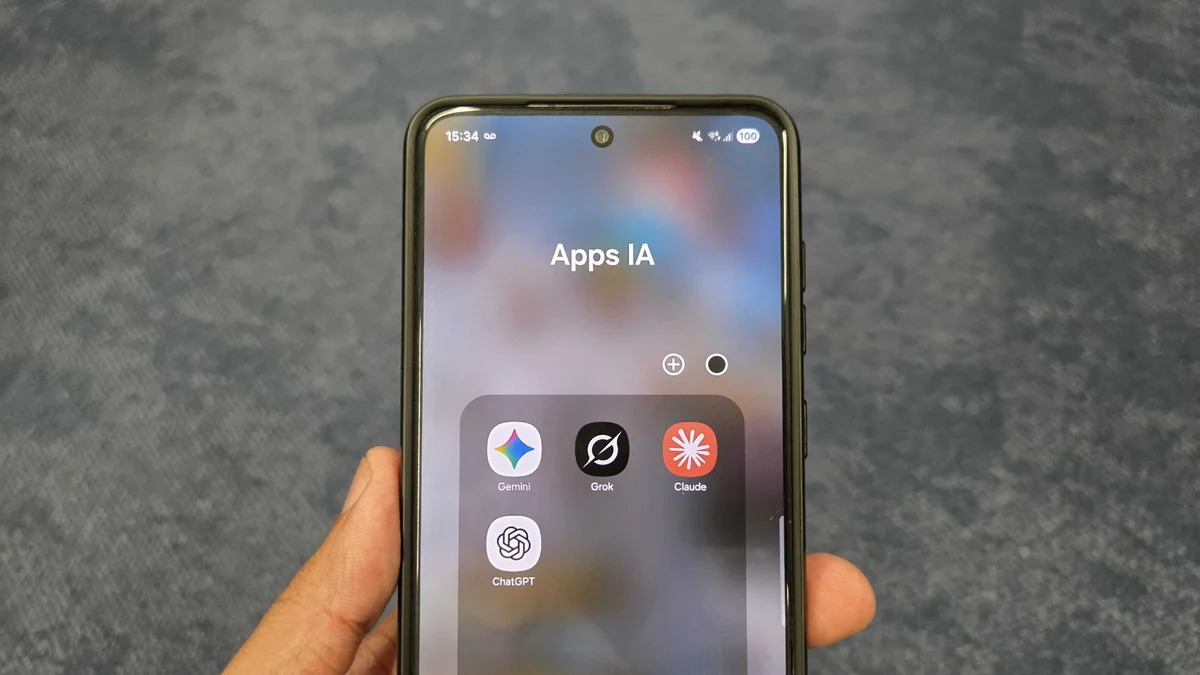
BLUF (Bottom Line Up Front): Today, it is no longer easy to identify content generated by artificial intelligence, whether image, video or text. AI tools, such as ChatGPT, Gemini and Claude, can generate hyperrealistic images, with lighting, texture and movements similar to authentic production. They are also capable of reproducing the author’s writing style, making it difficult to recognize a text produced by AI.
However, there are specific resources to identify these contents, some being more accurate than others, but all of them help in this aspect. There are resources to identify passages possibly written by AI, according to the writing style. For images, the features look for invisible digital watermarks.
See eight platforms for detecting content generated by artificial intelligence:
SynthID Detector is a tool developed by Google DeepMind to check for the presence of invisible watermarks in AI-generated images and videos. The system accepts JPG, PNG, WEBP, MP4, MOV, WAV and MP3 formats and can even identify productions that have undergone cuts, filters and compression.
However, it only identifies content that contains the SynthID tag, such as models from Google and OpenAI. Additionally, SynthID does not analyze text, as most text does not contain invisible watermarks that can be easily identified.
GPTZero is an extension for Google Chrome, which works on any browser with Chromium, such as Edge and others. The system is focused on detecting texts produced by AI. Despite being focused on educational and professional environments, anyone can install the extension in the browser.
The service analyzes the predictability of words and variation in sentence structure to identify whether that content was created entirely by AI, partially or created by humans. As there are no invisible watermarks, as in the images, the analysis is a probability and cannot always be considered 100% correct.
Copyleaks is also a platform for checking texts created by AI, but it also identifies probable plagiarism in writing. The service analyzes content in more than 30 languages and can even check materials that have undergone changes after generation.
Silicon Dispatch Strategic Takeaways
- Desk Alignment: Verified dispatch within the AI & Emerging Tech pillar.
- Technical Verification: Hardware and software specifications corroborated against manufacturer roadmaps.
- Market Impact: Analysis tailored for North American enterprise decision-makers and high-performance tech enthusiasts.
Affiliate Disclosure: Articles published by Silicon Dispatch may include verified affiliate partner links. If you purchase through these links, we may earn an affiliate commission at no additional cost to you.